
Stomach pain after eating can feel confusing, frustrating, and sometimes scary. One meal may cause bloating and pressure, another may bring burning pain, cramping, nausea, gas, or a sharp discomfort that makes you wonder if something serious is going on. For some people, the pain starts within minutes of eating. For others, it appears one to three hours later, especially after heavy, spicy, greasy, or large meals.
Table of Contents
- Common Causes of Stomach Pain After Eating
- Indigestion and Overeating
- Acid Reflux and GERD
- Food Intolerance and Sensitivity
- IBS and Digestive Sensitivity
- Gallbladder Pain After Eating
- Ulcers and Gastritis
- When Should You Worry?
- How Doctors Find the Cause
- Treatment Options
- Care in Odessa, Midland, and Nearby Areas
- Frequently Asked Questions
Important Note
If your stomach hurts after eating once in a while, it may be from overeating, gas, or a food trigger. But if it happens repeatedly, your body may be giving you an early warning sign. Digestive problems such as acid reflux, gastritis, ulcers, gallbladder disease, food intolerance, IBS, and inflammation can all cause post-meal stomach pain. Understanding the pattern early can help you avoid worsening symptoms and get the right care sooner.
Common Causes of Stomach Pain After Eating
Stomach pain after eating is not always caused by the stomach itself. The digestive system includes the stomach, esophagus, gallbladder, liver, pancreas, small intestine, and colon. Pain may come from any of these areas, depending on the type of food you ate, where the pain is located, and what other symptoms happen with it.
Some people feel burning in the upper stomach or chest. Others feel cramping in the lower abdomen, pressure under the ribs, bloating, nausea, or pain that spreads toward the back. The timing is also important. Pain right after eating may suggest indigestion, acid reflux, gastritis, or overeating. Pain after fatty meals may point toward gallbladder problems. Pain with diarrhea, constipation, or bloating may be linked to IBS or food intolerance.
Indigestion and Overeating
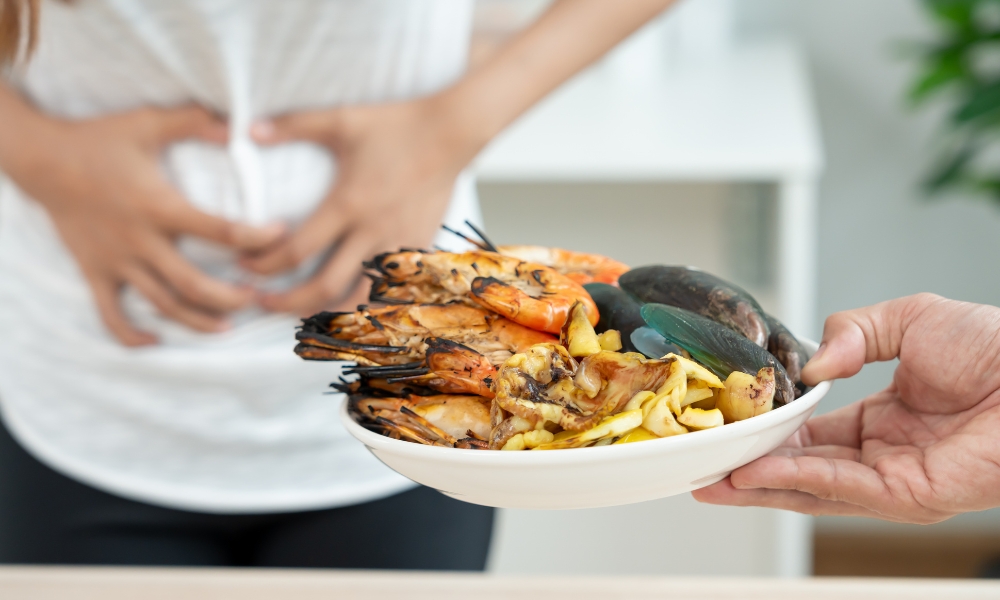
Indigestion, also called dyspepsia, is one of the most common reasons people feel stomach discomfort after eating. It may happen after eating too fast, eating too much, drinking carbonated beverages, or consuming spicy, greasy, fried, or heavy foods.
Indigestion can cause upper abdominal discomfort, bloating, burping, nausea, early fullness, gas, and a heavy feeling in the stomach. Many people describe it as “my food is just sitting there” or “my stomach feels tight after eating.”
Occasional indigestion is common and may improve with smaller meals, slower eating, and avoiding trigger foods. However, frequent indigestion should not be ignored. If symptoms happen several times a week, wake you up at night, or come with weight loss, vomiting, or black stools, a medical evaluation is important.
Acid Reflux and GERD
Acid reflux happens when stomach acid moves backward into the esophagus. This can cause burning in the chest, upper stomach pain, sour taste in the mouth, nausea, throat irritation, burping, cough, or discomfort after eating.
Many people think reflux always feels like classic heartburn, but it can also feel like pressure, tightness, upper abdominal burning, or chest discomfort after meals. Symptoms often get worse after large meals, spicy food, fried food, caffeine, chocolate, citrus, tomato-based foods, or lying down too soon after eating.
When reflux happens regularly, it may be called GERD. Long-term reflux can irritate the esophagus and affect daily comfort, sleep, and eating habits. If someone repeatedly has burning pain after meals, especially when lying down, they should talk with a healthcare provider.
Food Intolerance and Sensitivity
Food intolerance means your body has difficulty digesting certain foods. This is different from a food allergy. A food allergy can cause immune-related reactions such as hives, swelling, wheezing, or anaphylaxis. Food intolerance usually causes digestive symptoms such as bloating, gas, cramps, diarrhea, nausea, and stomach pain after eating.
Lactose intolerance is very common. People who are sensitive to dairy may feel pain, bloating, gas, or diarrhea after milk, cheese, ice cream, yogurt, or cream-based foods. Gluten sensitivity, artificial sweeteners, high-fructose foods, greasy meals, and certain vegetables may also trigger symptoms in some people.
A food diary can be helpful. Write down what you ate, when symptoms started, how long they lasted, and whether you had bloating, diarrhea, constipation, reflux, or nausea. Patterns often become clearer after one to two weeks.
IBS and Digestive Sensitivity
Irritable Bowel Syndrome, commonly known as IBS, can cause stomach pain after eating because the intestines become more sensitive to normal digestion. A meal can trigger intestinal movement, gas, bloating, and cramping. Some patients experience diarrhea, while others have constipation or alternating bowel habits.
IBS pain may improve after a bowel movement, but it can return after meals. Stress, anxiety, poor sleep, certain foods, and hormonal changes may worsen symptoms. Although IBS does not usually damage the intestines, it can strongly affect quality of life.
Because IBS symptoms can overlap with other medical problems, it is important not to self-diagnose. Ongoing abdominal pain, blood in stool, unexplained weight loss, fever, anemia, or new symptoms after age 50 should be evaluated by a healthcare professional.
Important Note
Stomach pain after eating does not always mean something dangerous is happening. Many causes are treatable and manageable. However, repeated pain is your body’s way of asking for attention. Instead of guessing or repeatedly taking over-the-counter medicine, it is better to understand the cause and receive proper guidance.
Gallbladder Pain After Eating
The gallbladder stores bile, which helps digest fat. When gallstones or gallbladder inflammation are present, pain may happen after eating, especially after greasy, fried, or fatty meals.
Gallbladder pain is often felt in the upper right abdomen, under the right ribs. It may spread to the right shoulder or back. Some people also experience nausea, vomiting, bloating, or sweating during an attack. The pain may last from minutes to several hours.
Gallbladder symptoms should be taken seriously, especially if pain is severe, recurring, or associated with fever, yellowing of the skin or eyes, or persistent vomiting. These may require urgent medical attention.
Ulcers and Gastritis
Gastritis is inflammation of the stomach lining. A stomach ulcer is an open sore in the lining of the stomach or upper small intestine. Both can cause burning, gnawing, or aching pain in the upper abdomen.
Some people feel worse after eating, while others feel temporary relief after food and then pain returns later. Nausea, bloating, loss of appetite, early fullness, and unexplained weight loss may occur. H. pylori infection and long-term use of certain pain relievers such as ibuprofen or naproxen can contribute to ulcers and gastritis.
Ulcers can sometimes bleed. Warning signs include black stools, vomiting blood, weakness, dizziness, or severe abdominal pain. These symptoms need immediate medical care.
When Should You Worry About Stomach Pain After Eating?
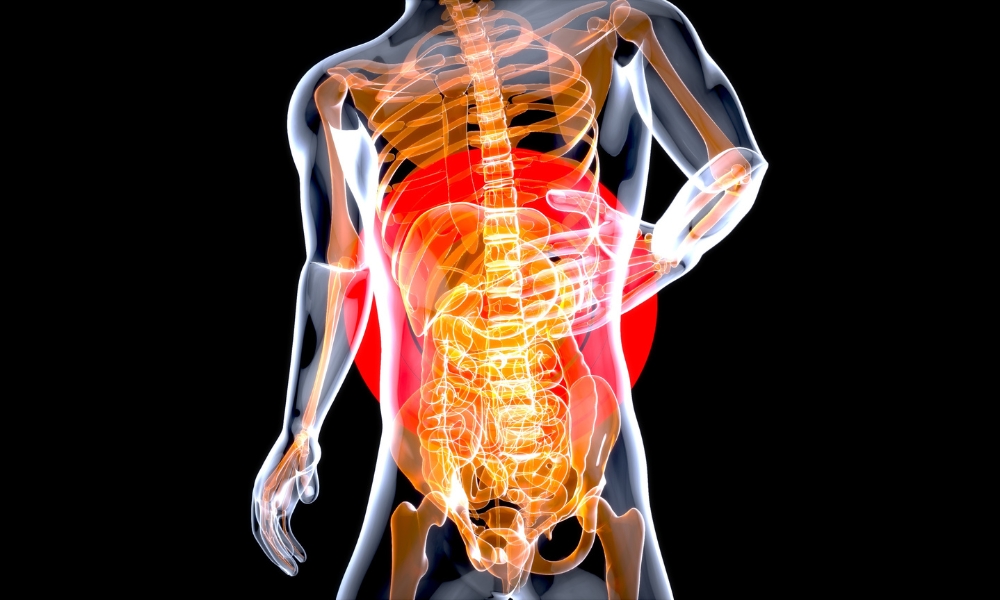
You should worry more when stomach pain is severe, sudden, worsening, or repeatedly interfering with daily life. Mild bloating after one heavy meal may not be serious, but pain that keeps returning deserves evaluation.
Seek urgent medical attention if stomach pain after eating comes with chest pain, shortness of breath, fainting, severe weakness, vomiting blood, black or tar-like stool, high fever, dehydration, severe right-sided abdominal pain, yellow eyes or skin, persistent vomiting, or severe pain that does not improve.
You should also see a doctor if symptoms happen regularly, if you are losing weight without trying, if your appetite has changed, if you feel full after only a few bites, or if you notice new constipation, diarrhea, or blood in the stool.
How Doctors Find the Cause
A healthcare provider will usually begin by asking detailed questions about your symptoms. Where is the pain? How soon after eating does it start? What foods trigger it? Does it feel sharp, burning, cramping, or pressure-like? Do you also have nausea, diarrhea, constipation, reflux, fever, weight loss, or fatigue?
Depending on your symptoms, your provider may recommend blood tests, stool testing, urine testing, H. pylori testing, abdominal ultrasound, CT scan, or referral for an upper endoscopy. These tests help determine whether symptoms are caused by inflammation, infection, gallbladder disease, ulcers, reflux, anemia, liver or pancreas issues, or another condition.
The goal is not just to reduce pain for a few hours. The goal is to identify why the pain is happening so the treatment matches the cause.
Treatment Options
Treatment depends on the diagnosis. Indigestion may improve with smaller meals, avoiding late-night eating, reducing greasy foods, and eating more slowly. Acid reflux may require lifestyle changes and acid-reducing medication. Food intolerance may improve when trigger foods are reduced or removed.
IBS may require dietary changes, stress management, hydration, fiber adjustment, and sometimes medication. Gastritis or ulcers may require acid suppression, H. pylori treatment if present, and avoiding irritating medications. Gallbladder disease may need imaging and further treatment depending on severity.
It is important not to rely only on antacids or home remedies if symptoms continue. Temporary relief does not always mean the underlying problem is resolved.
How to Reduce Stomach Pain After Eating
Some simple habits may help reduce post-meal stomach pain. Eat smaller portions, chew slowly, avoid lying down immediately after meals, limit fried and greasy foods, reduce carbonated drinks, avoid overeating, and drink enough water throughout the day.
If reflux is a problem, try finishing meals at least two to three hours before bedtime. If bloating is common, avoid rushing through meals and consider tracking dairy, wheat, beans, onions, artificial sweeteners, and high-fat foods to see if symptoms follow a pattern.
Regular physical activity, better sleep, weight management, and stress reduction can also support digestive health. However, prevention should be personalized because the best approach depends on the actual cause.
Primary Care for Stomach Pain in Odessa, Midland, and Surrounding Areas
If stomach pain after eating keeps happening, residents of Odessa, Midland, West Odessa, Gardendale, Andrews, Monahans, Crane, Big Spring, and surrounding West Texas communities should consider a medical evaluation instead of guessing the cause. At Odessa Primary Care, patients can receive compassionate primary care support for abdominal pain, acid reflux, indigestion, nausea, bloating, food sensitivity concerns, diabetes-related digestive issues, high blood pressure, cholesterol concerns, thyroid symptoms, and chronic care needs. For patients in Odessa and nearby Midland-area communities, timely evaluation can help identify the cause of stomach discomfort and guide the right next step for better digestive and overall health.
Frequently Asked Questions
Why does my stomach hurt right after I eat?
Stomach pain right after eating may be caused by indigestion, overeating, acid reflux, gastritis, food intolerance, or stomach sensitivity. If it happens often, a medical evaluation can help identify the reason.
Can acid reflux cause stomach pain after eating?
Yes. Acid reflux can cause burning pain in the upper stomach, chest discomfort, nausea, burping, sour taste, and throat irritation after meals.
Can gallbladder problems cause pain after meals?
Yes. Gallbladder pain often happens after fatty or greasy meals. It is commonly felt in the upper right abdomen and may spread to the back or right shoulder.
What foods commonly cause stomach pain after eating?
Common triggers include fried foods, spicy foods, dairy products, carbonated drinks, caffeine, alcohol, artificial sweeteners, and large heavy meals.
When should I see a doctor for stomach pain after eating?
You should see a doctor if pain is frequent, severe, worsening, or associated with vomiting, black stool, blood in stool, weight loss, fever, persistent nausea, or changes in bowel habits.
Is stomach pain after eating always serious?
No. Many cases are related to indigestion, gas, overeating, or food sensitivity. However, recurring or severe symptoms should be evaluated to rule out more serious causes.
Final Thoughts
Stomach pain after eating can come from many different causes, including indigestion, acid reflux, food intolerance, IBS, gastritis, ulcers, and gallbladder problems. While occasional discomfort may not be serious, repeated symptoms should not be ignored. Paying attention to the pattern, timing, food triggers, and warning signs can help you know when it is time to seek medical care.
If you often ask yourself, “Why does my stomach hurt after eating?” the safest next step is to discuss your symptoms with a qualified healthcare provider. Getting the right diagnosis can help you avoid unnecessary worry, prevent complications, and feel more confident about your digestive health.
Disclaimer: This blog is for educational purposes only and is not a substitute for medical advice. If symptoms are severe, sudden, or worsening, seek medical care immediately.